Digital Watersheds
Advancing Real-Time Sensing for Drinking Water Control
Flooding stands as a significant and growing threat. Alongside this, communities grapple with ecological crises like harmful algal blooms, water pollution, and habitat degradation, with marginalized rural and low-income areas bearing the brunt of these issues. With the intensification of storms, there's a pressing need for tools to help communities adapt to these climate-driven disasters.
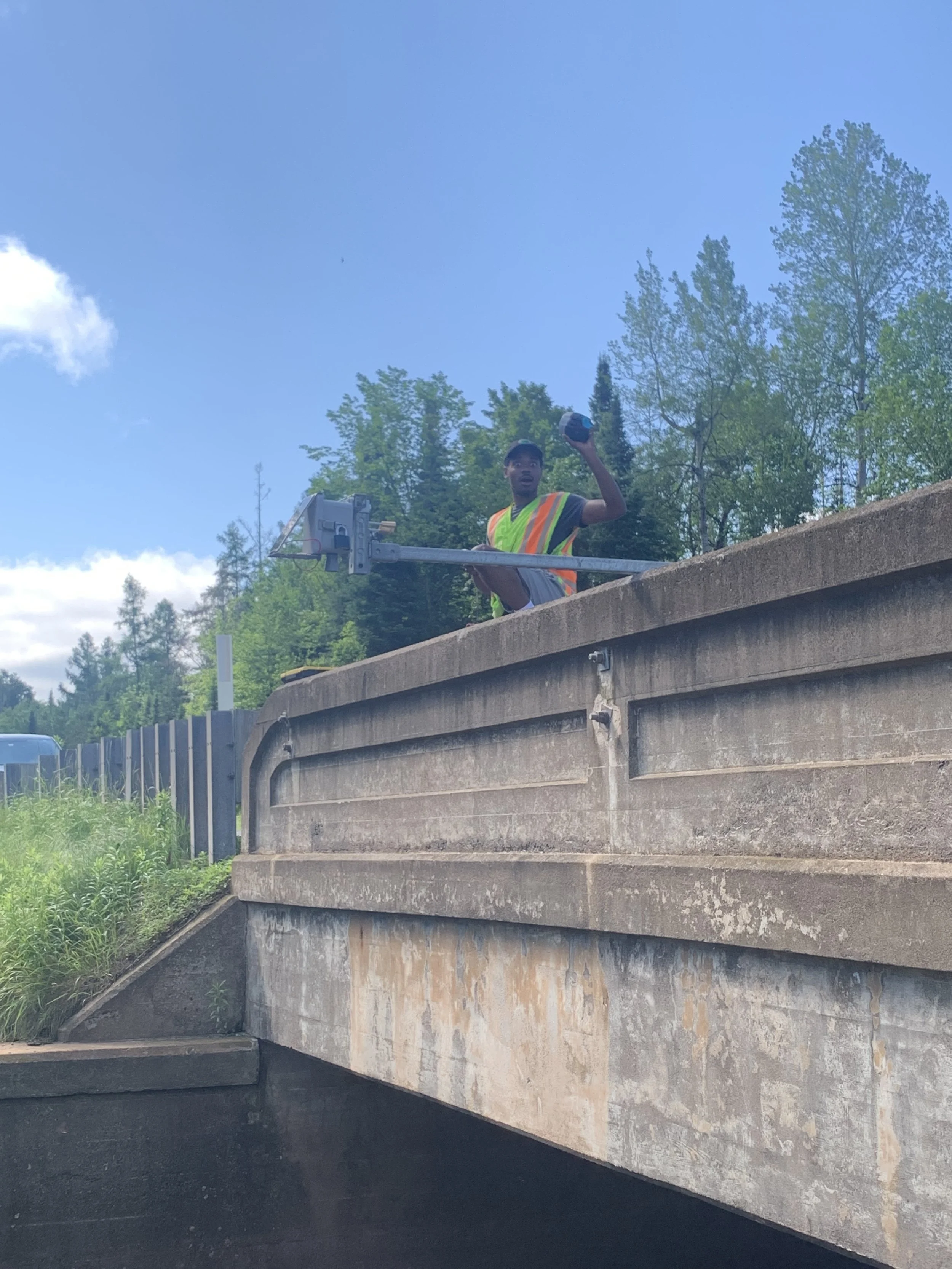
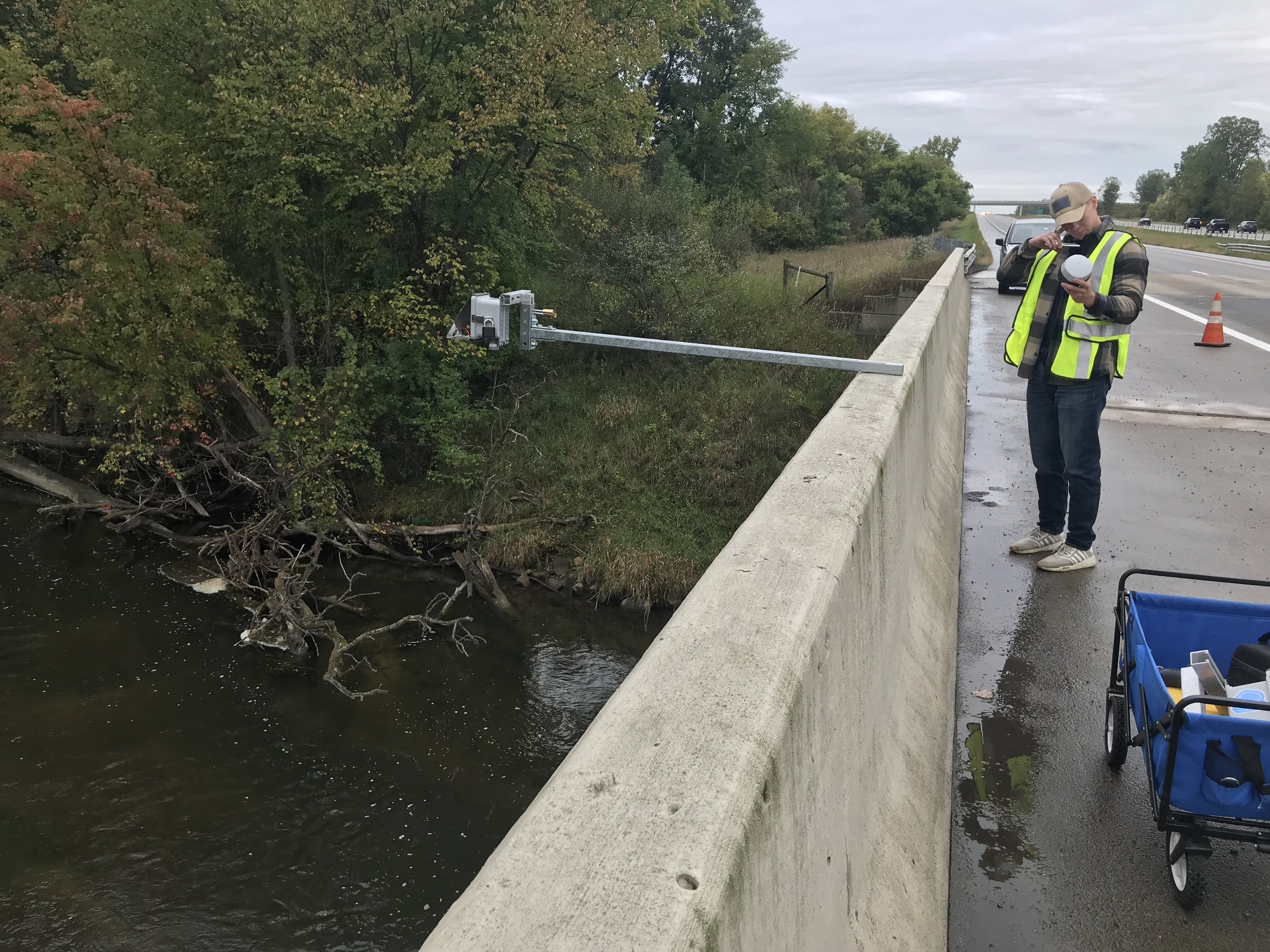
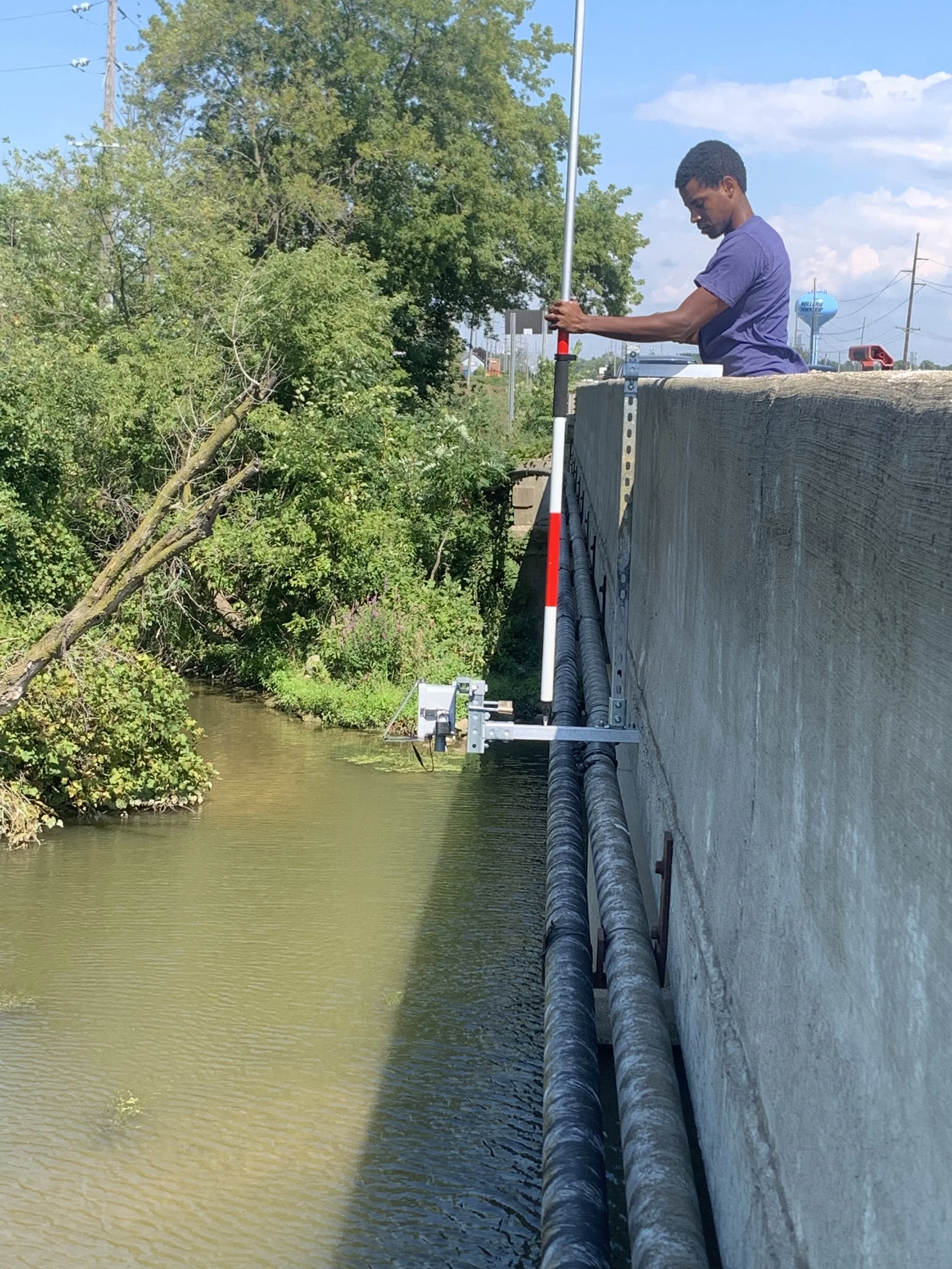
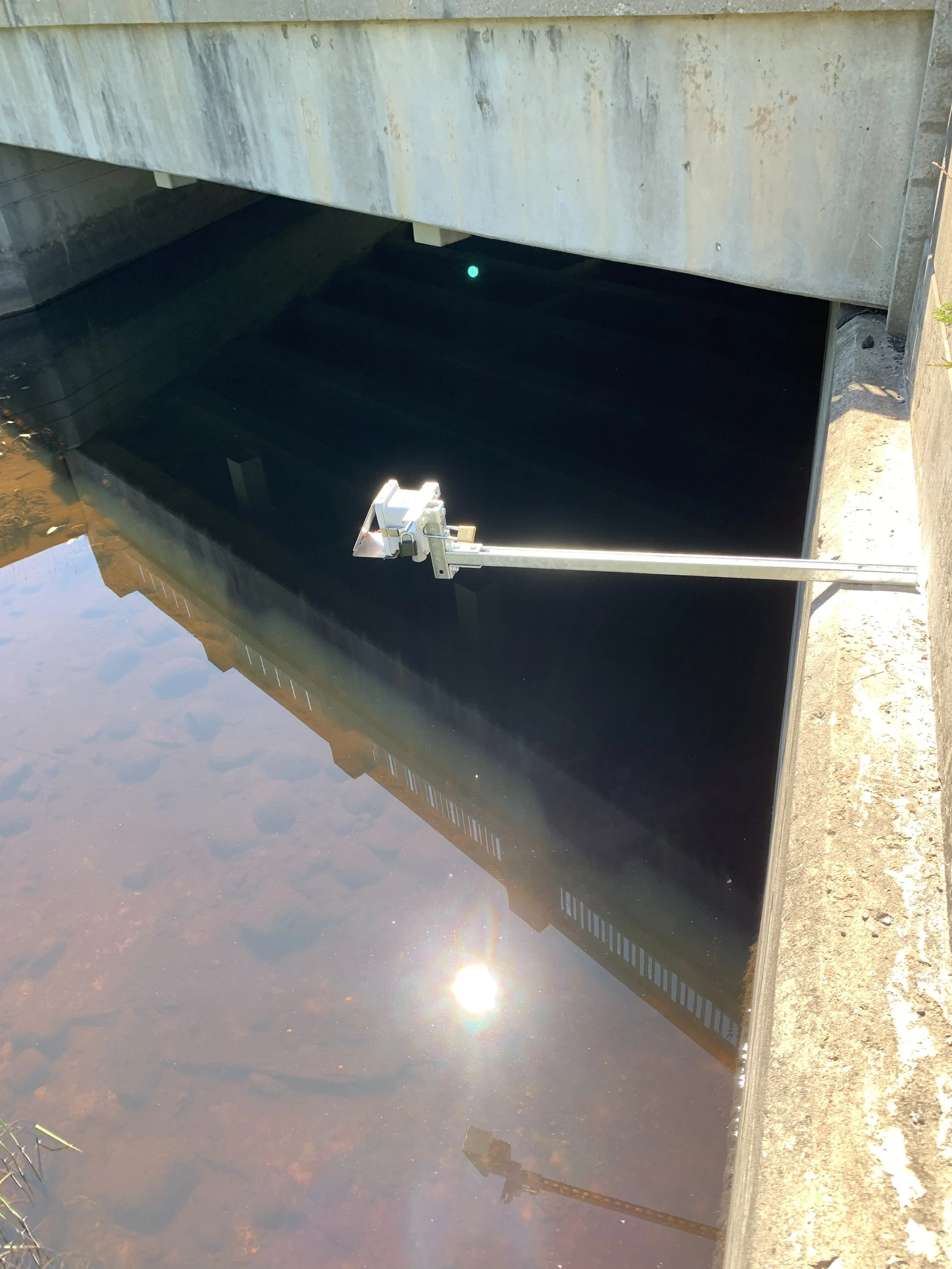
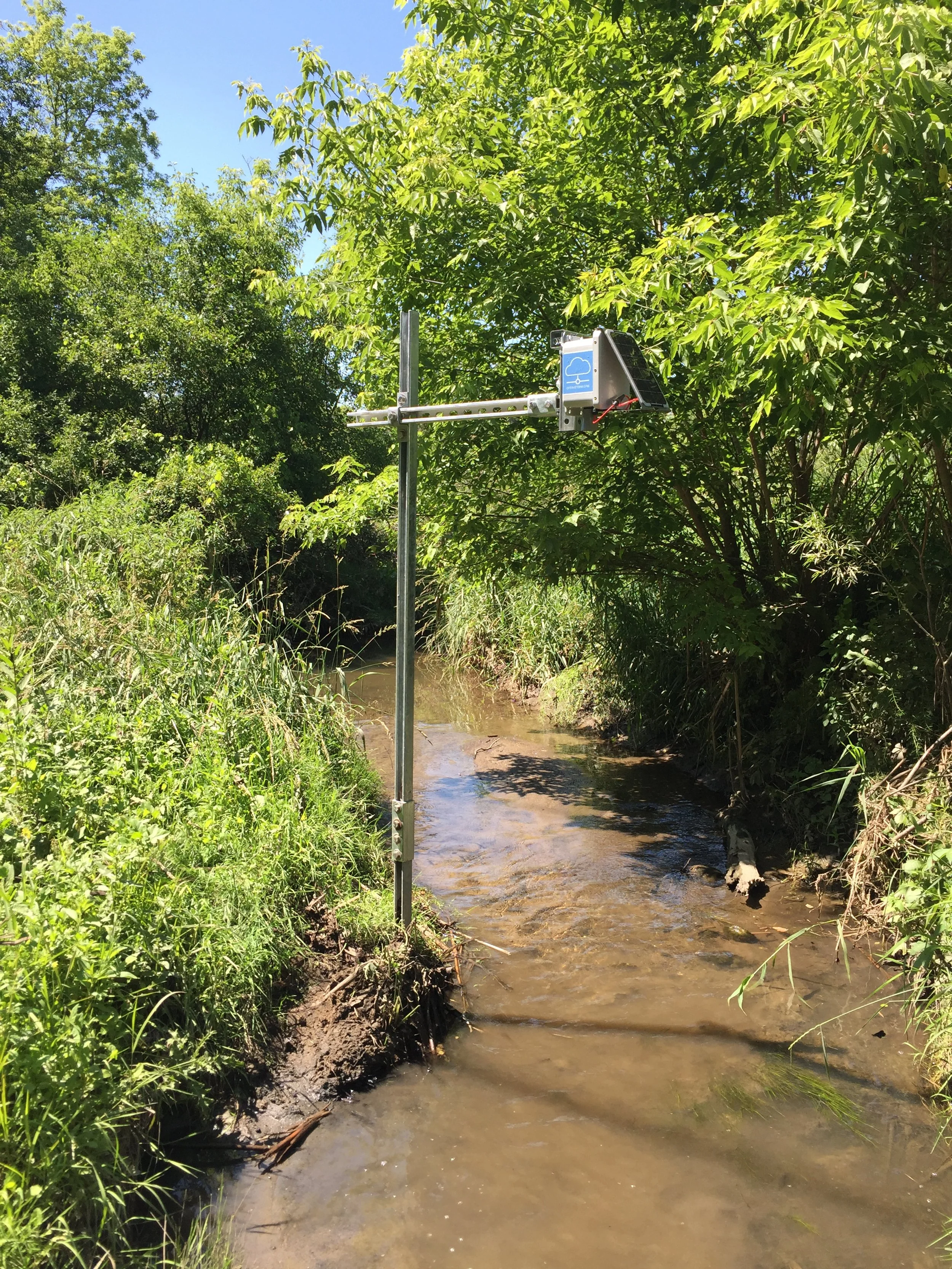
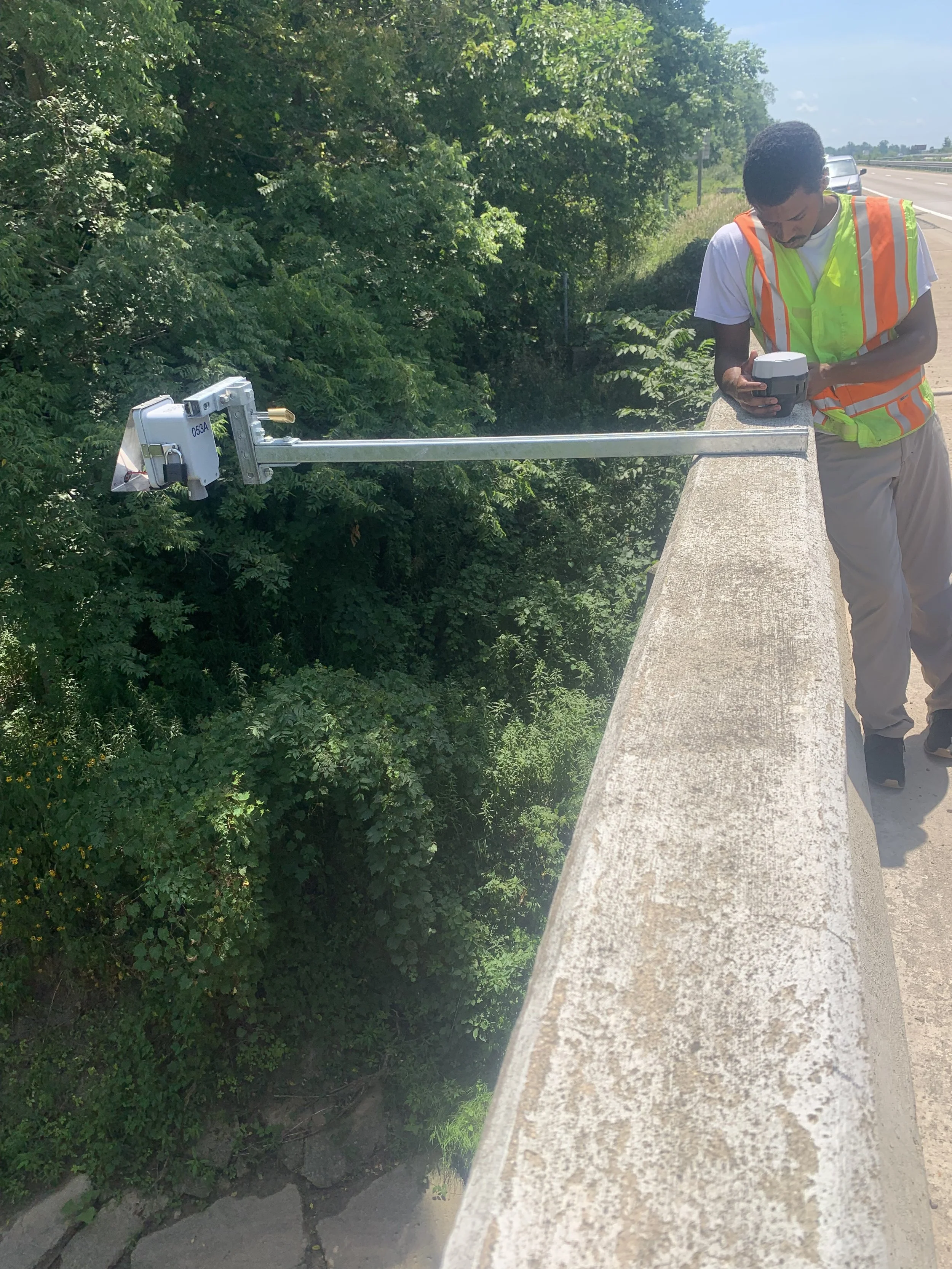
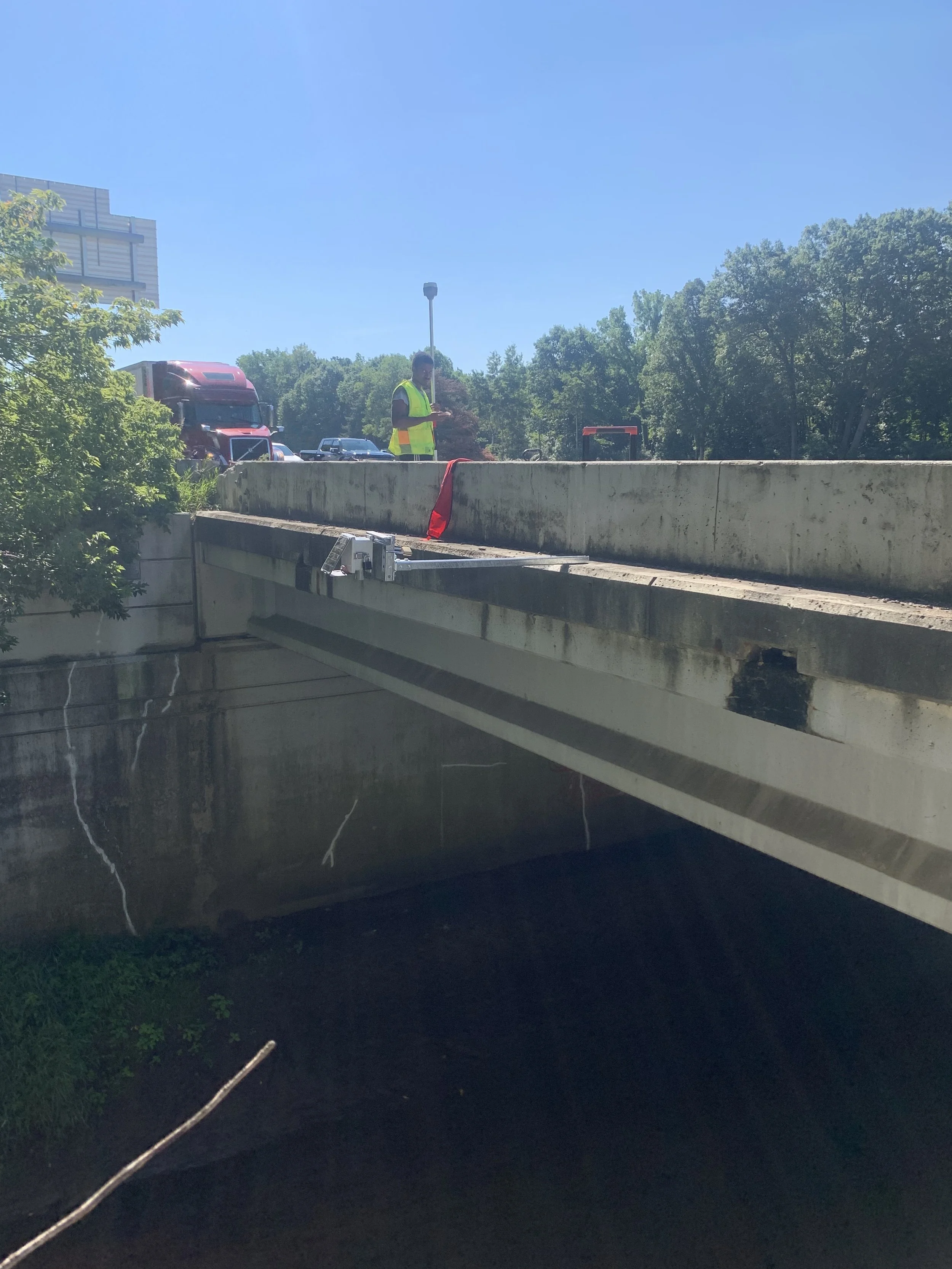
Currently, many communities manage stormwater in isolation, unaware of how local actions can ripple across the broader landscape. For instance, decisions made by upstream dam operators during storms can inadvertently lead to downstream flooding, erosion, and water quality issues. Traditional solutions are often expensive and impractical for many communities. Our approach seeks to inform water management through the concept of a digital watershed – an interconnected network of sensors that harness real-time data to control water flow. By fostering collaboration between rural and urban dam operators and leveraging cutting-edge sensor technology, we aim to restore natural flows and habitats, ultimately enhancing the resilience of communities to climate-related challenges. Through interdisciplinary collaboration and innovative digital tools, we are on a mission to shape the future of water resource management.
Fundamental Advances: Architectures for very large hydrologic sensor networks, algorithms for data cleaning, control methodologies
Impacts: Ecological restoration and watershed-scale management
Communities: Huron River Watershed Council, Clinton River Basin
